
News and Articles
04/15/2026
Santa Fe County celebrates International Dark Sky Week
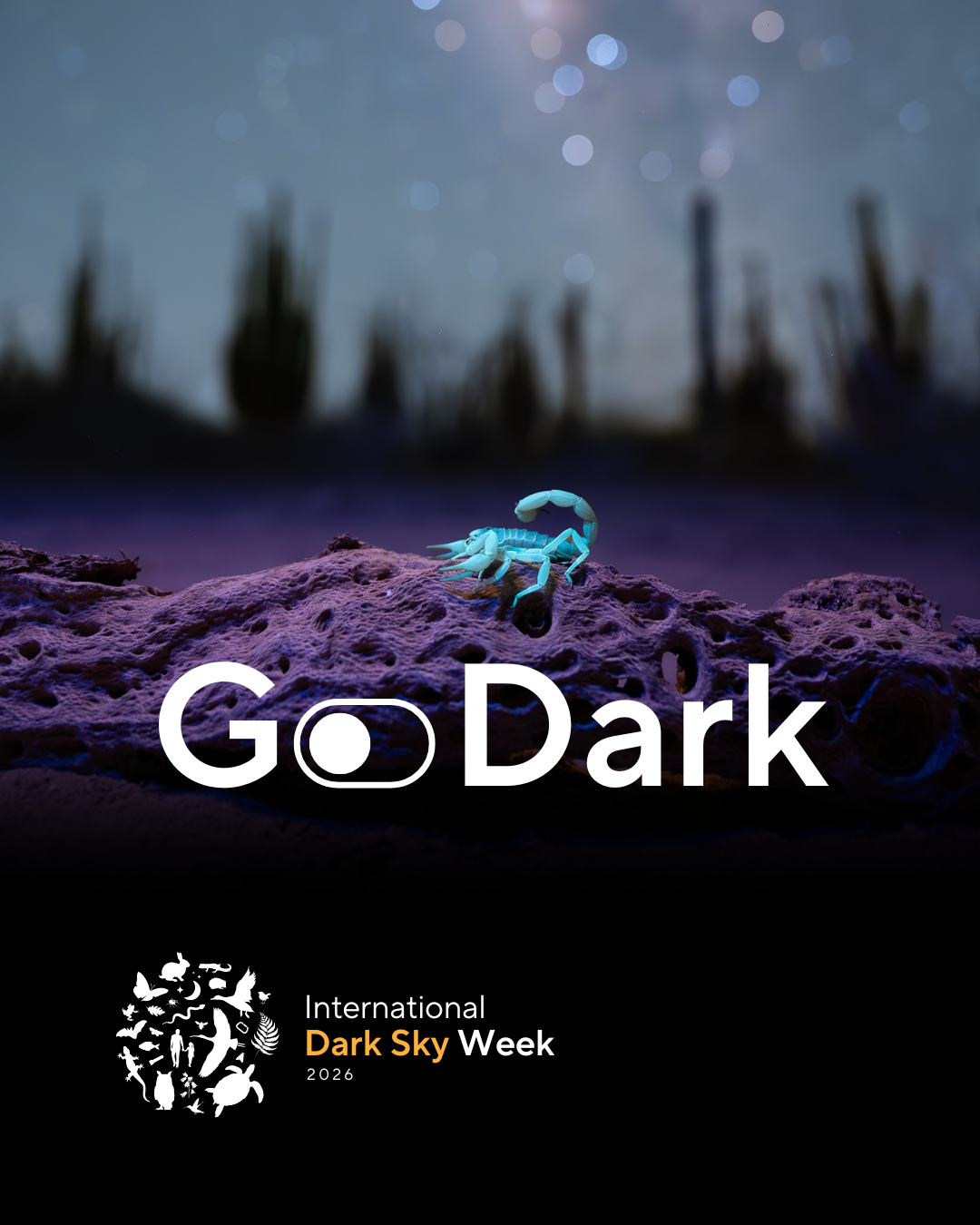
SANTA FE, N.M., April 15, 2026—International Dark Sky Week falls on April 13 to 20 this year, and to celebrate, Santa Fe County Commissioners proclaimed support, saying “the beauty and wonder of a natural night sky are a shared heritage of humankind.”
Their proclamation recognized New Mexico’s nine International DarkSky Places, an official designation that communities, parks, and protected areas receive for preserving dark skies through responsible lighting policies and public education.
The Commissioners called upon all Santa Fe County residents to observe this important week by reflecting on the value of our dark skies and by supporting efforts to protect this precious natural resource for current and future generations.
New Mexico has long been ahead of the curve in protecting its night skies, but there is still work to be done. In 1999, New Mexico passed the Night Sky Protection Act to regulate outdoor lighting fixtures. The act was one of the first of its kind in the U.S. and made dark skies a priority for the health of New Mexican people, wildlife, and economy.
This year’s International Dark Sky Week theme is GO DARK, inviting people to discover the night by making an active choice to “go dark” and experience natural darkness firsthand. Whether it’s sitting quietly in a campground, taking a moonlit walk, or turning off porch lights at home to see the stars just a little better, small actions can create meaningful moments and deepen our understanding of the night’s importance.
Bad lighting is driving the growth of light pollution, but the solution is simpler and more impactful than many realize. Quality lighting and thoughtful design can protect the night while still meeting human needs.
You can help prevent light pollution and preserve natural night skies by following the five principles for responsible outdoor lighting:
- Use light only if it is needed, and consider how it will impact the area, including wildlife and their habitats.
- Direct light so it falls only where it is needed. Use shielding and careful aiming to target the direction of the light beam so that it points downward and does not spill beyond where it is needed.
- Use the lowest level of light required. Light should be no brighter than necessary.
- Use light only when it is needed. Use controls, such as timers or motion detectors, to ensure that light is available when it is needed, dimmed when possible, and turned off when not needed.
- Use warmer color lights when possible. Limit the amount of blue-violet (shorter wavelength) light to the least amount needed.
The weeklong celebration is an opportunity to raise awareness and invite communities to take meaningful action. Find online activities and a pledge to support dark sky conservation on the International Dark Sky Week webpage.
####