
Monsoon Awareness
Monsoon Awareness
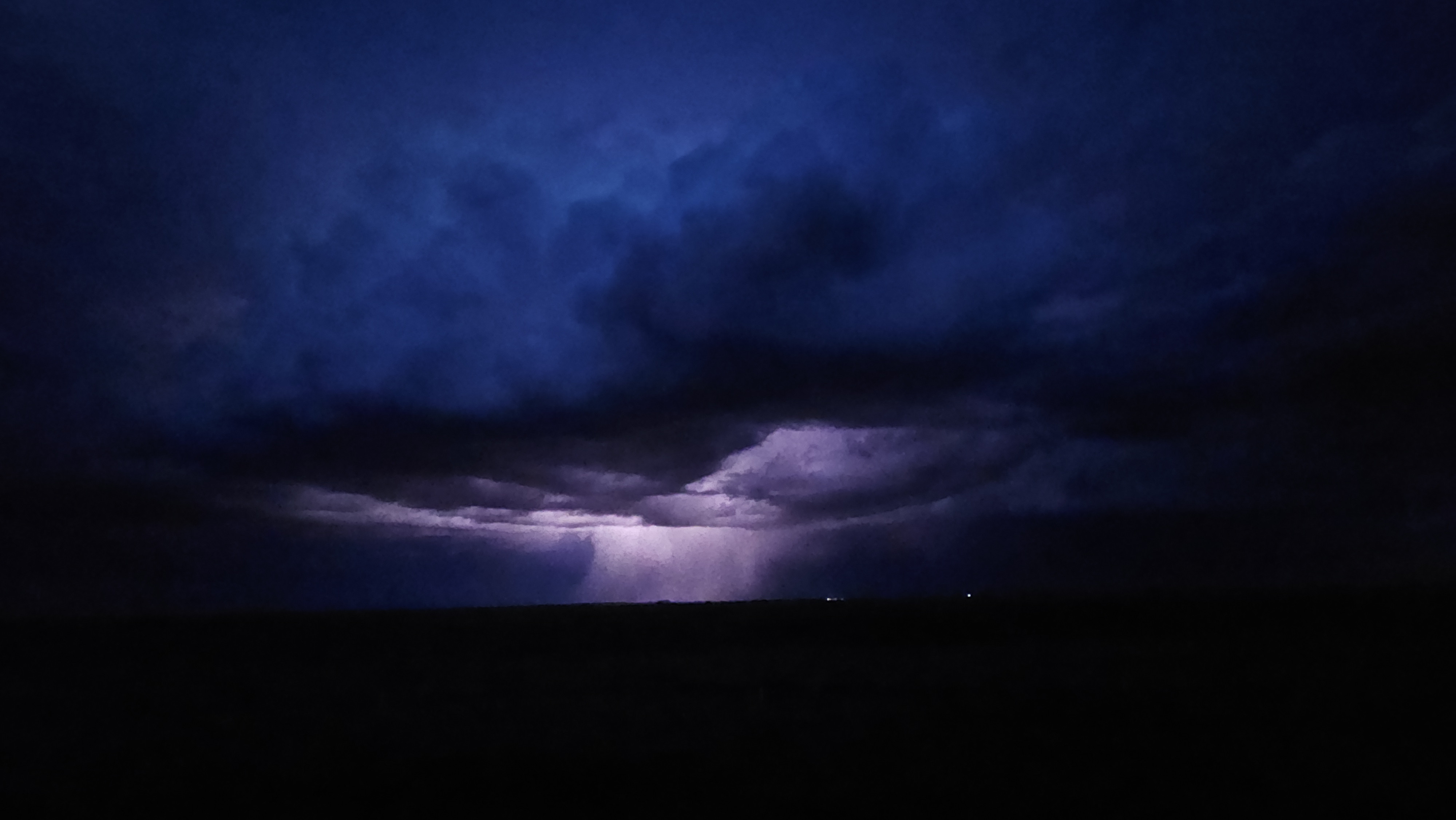
Microburst southern Santa Fe County. Photo courtesy of Kyle Russell
What You Should Know
Usually we welcome the wet weather, and enjoy the monsoon season. However, they are not without their own risks. They can bring localized flooding, lightning, temporary power outages, unsafe driving conditions, funnel clouds and in rare instances tornados and microbursts. A microburst is a sudden, highly localized, and powerful downdraft of sinking air (wind and often rain or hail) that plummets from a thunderstorm. When it crashes into the ground, it spreads outward in all directions, causing dangerous straight-line winds that can exceed 100 mph
In recent history, due to climate shifts, and our drought emergency. Our monsoons have been increasing in intensity. Santa Fe County has experienced two 100 year flood events in the last 5 years and one 1,000 year flood event in 2018.
Here are some considerations
Road Maintenance
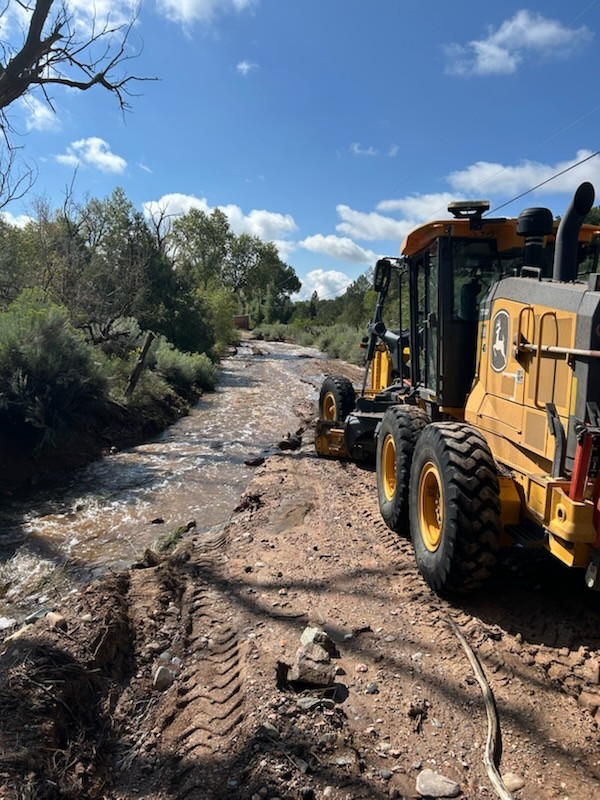
Canada De Los Alamos, Photo Courtesy of SFC Public Works
Many roads within Santa Fe County can be washed out. Some have low water crossings. If you are not on a County, State, City or Town maintained public or private road, chances are you are on a private road. A majority of residential "streets" in the greater Santa Fe County area are private. That means it's incumbent upon the residents to maintain that road. This includes arroyos, culverts, drainage ditches, drainage pipes, runoff etc... If you are part of an HOA or road association, speak to them about road maintenance. Some areas don't have an HOA or road association. In that case, you may have to have an agreement with your neighbors to share the cost of maintaining a road.
You can also petition Santa Fe County to adopt your road to maintain it.
If you live near a historical acequia, it could be maintained by an Acequia Commission. Generally, owners with water rights in an Acequia are responsible for maintenance. If they do not have water rights that may fall on the local Acequia Commission. Speak to your local Acequia Commission for more information.
Flooding
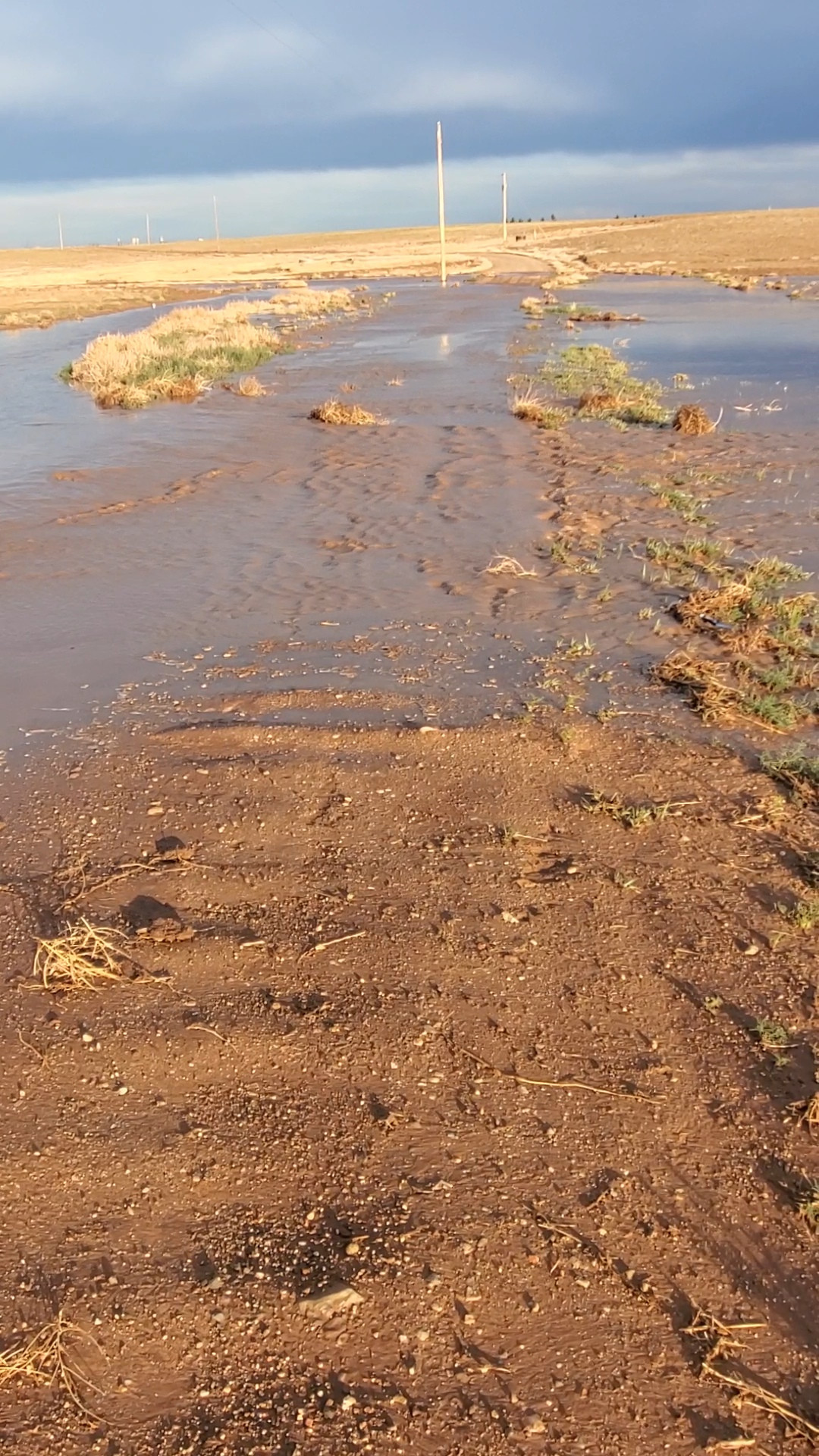
Washed out private road - Southern Santa Fe County - Photo courtesy of Kyle Russell
How is the drainage around your residence? Are rain gutters being drained away from the home or is it pooling at the foundation? Do you know if you're in a flood plain? Have you checked your insurance policies? Most policies do not include flood specific insurance, this is different from "water damage". Usually, but not always, when insurance policies refer to water damage, they're referring to broken pipes, burst pipes, or roof leaks. It may not mention weather specific flooding incidents, therefore it may not be covered under your current policy.
To find out if you're in a flood plain/zone see FEMA's flood map. Just put in your physical address to find out if you are in or near a flood prone area.
Lightning
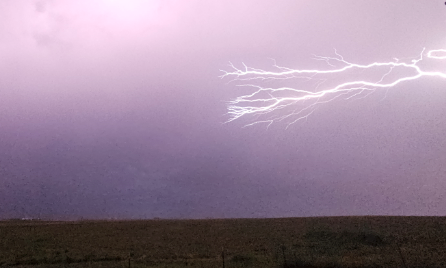
Lightning in Stanley - Photo Courtesy of Kyle Russell
Flooding isn't the only hazard. There can be lightning strikes, causing fires or power outages for limited periods of time. Ensure electronic devices are raised above floor level, and they are on a surge protector or battery backup, to prevent damage to those devices. If you're outside and you hear thunder nearby, or see a close lightning strike. Seek shelter immediately.
Hail
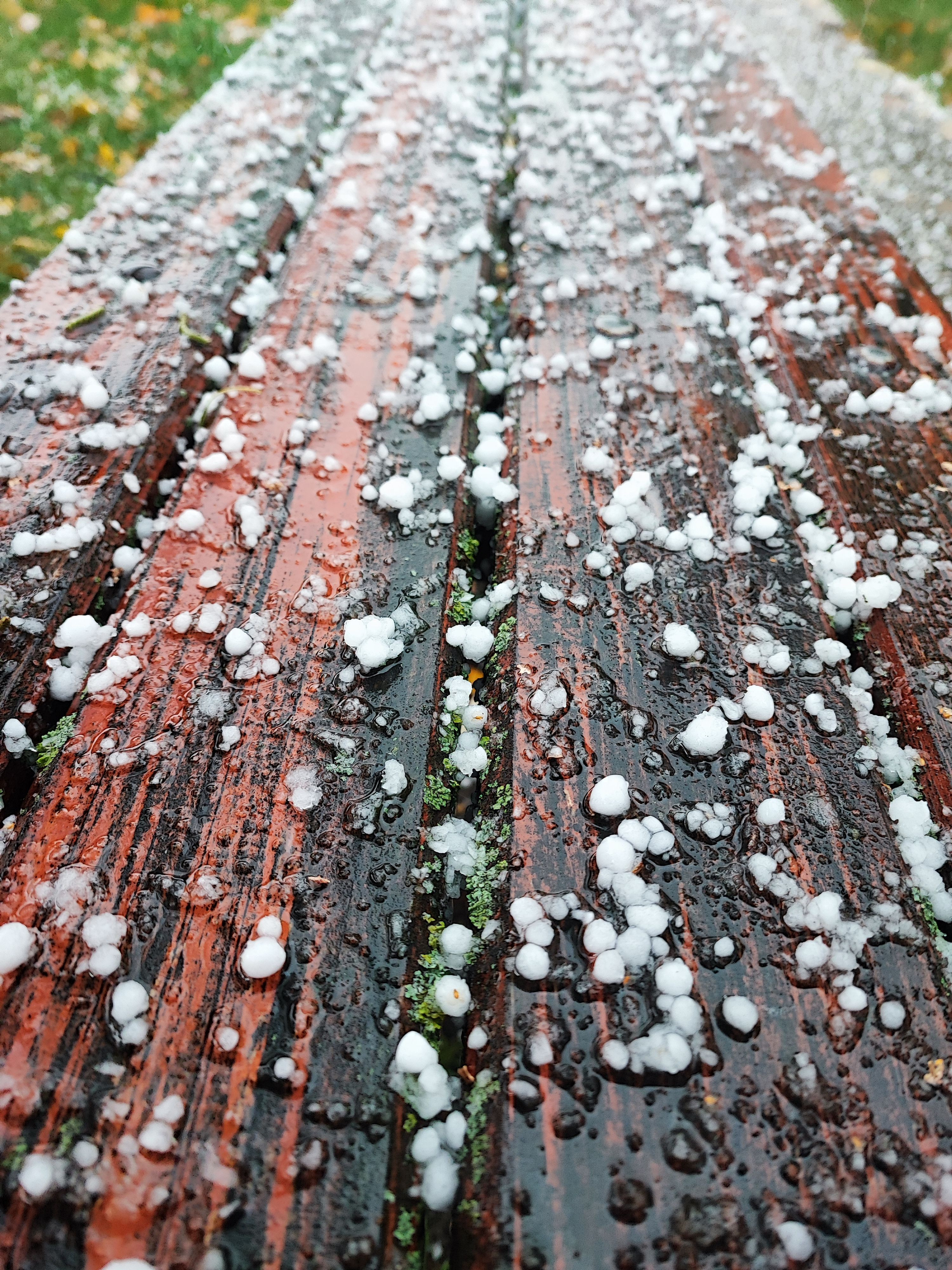
Photo of Hail - Fair Use / Pixels
Sometimes microbursts, and severe monsoons have moderate to large hail. Hail can cause a significant amount of damage. Such as, "totaled" vehicles, broken windows, roof damage and potential bodily harm if caught outside in a severe hail storm. If outside, seek shelter immediately.
High Winds
Another hazard is high winds also known as straight line winds. Including possible funnel clouds or tornados. New Mexico ranks 28th out of 50 states for tornado occurrances. Generally, most tornado's within Santa Fe County (about 1 a year) register to an EF-1 on the EF (Enhanced Fujita Scale). An EF-1 can produce wind speeds up to 110MPH. Causing significant damage. These turbulant microbursts are capable of producing large hail, high winds, causing damage to homes, campers, trees, power lines, vehicles, and other buildings. Santa Fe County averages about 8-10 funnels a year, which can still cause significant damage.
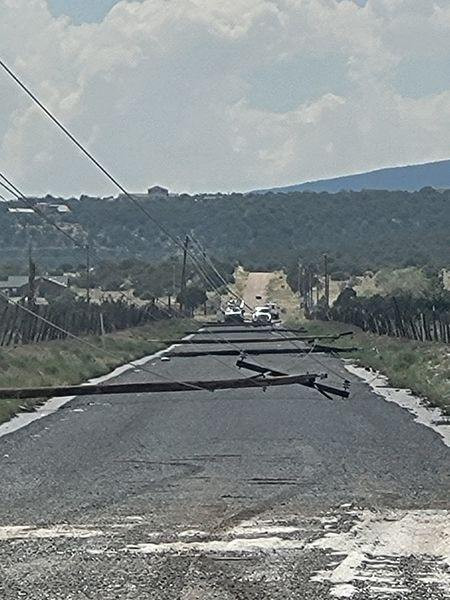
Result of high wind funnel and hail microburst - Near Entranosa in Edgewood, Santa Fe County
Low Water Crossings
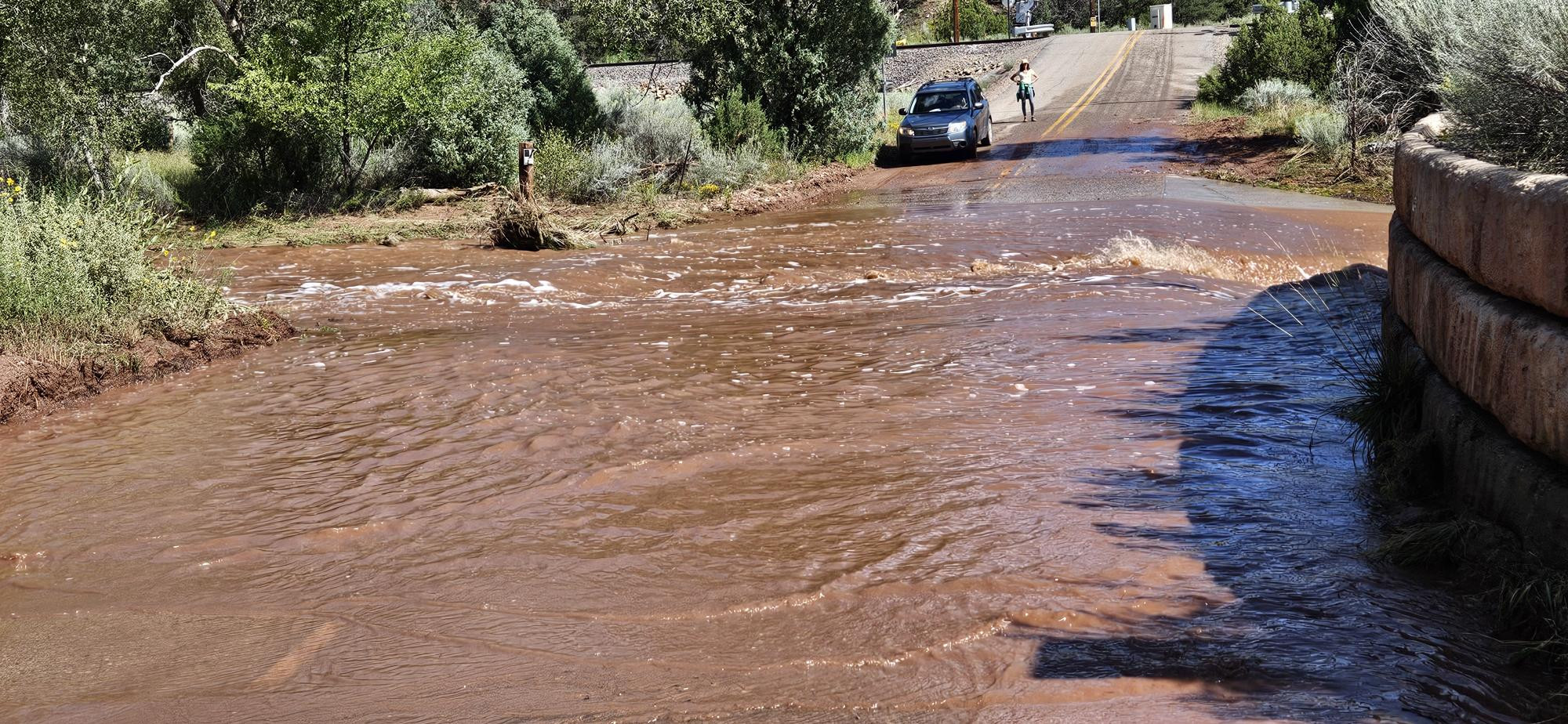
CR-51 Low water crossing, flowing. Resident unable to cross. Photo courtesy of Kyle Russell
Another thing to be aware of is low water crossings. There are several across Santa Fe County. A storm doesn't have to be happening at your location. A storm, even miles away, can cause these water crossings to flow. So be aware of weather reports near your area as well. A water crossing with flowing water only needs 12 inches of water to sweep away a car or truck. Additionally, you don't know what's happening under the water that can cause you to get stuck in the flowing water. Turn Around, Don't Drown!
Be Prepared
Our advice is to be prepared. Sign up for Alert Santa Fe to get alerts. Get a weather radio with battery backup. Have a generator installed, or alternate power source if needed. Flashlights, food and drinking water for at least 72 hours. Ensure your insurance policies are up to date. Know if you're in a flood zone, and what precautions you need to take to protect your home from localized flooding. If there is severe monsoons nearby or at home, our suggestion is not to travel. Most microbursts are quickly passing, but sometimes the flooded areas can stay flowing or flooded for hours or even days after a severe storm. Think about hardening a room in your home as a storm shelter with no windows, and strengthened doors and walls.