
Stormwater
Stormwater Management
What is Stormwater?
Stormwater is rain, snow melt, and surface runoff that flows over developed, impervious surfaces (roads, rooftops, parking lots) or undeveloped land rather than infiltrating into the ground. Stormwater flows untreated into local rivers and arroyos and proper management is required to prevent urban flooding and water pollution.
Stormwater is untreated
Unlike wastewater from sinks and toilets, stormwater is not sent to a treatments plant. It flows through storm drains and ditches directly into natural waterways, such as the Rio Grande or the Santa Fe River.
Runoff Pollution
As rain washes over the landscape, stormwater picks up oil, sediment, pet waste, fertilizers, and liter. In New Mexico, polluted runoff is the leading threat to clean water in urban watersheds.
Flash Flooding
Due to the Southwest's weather patterns, which feature sudden, heavy monsoon downpours, stormwater infrastructure must manage high-volume flows to protect property and infrastructure. The risks of flooding, and the possibility of water quality contamination, is exponentially increase from fire damaged (burn scarred) uplands.
- Visit the Office of Emergency Management Floods webpage for safety information.
- Visit the Fire Department Wildland Webpage to view the Community Wildfire Protection Plan (CWPP)
Stormwater Pollution
Pollutants that affect stormwater quality don’t just come from industrial activities, but also from our daily activities, such as leaked automobile fluids, pet waste, and litter. Stormwater is not treated at a wastewater plant. It flows downhill and downstream into the river. Trash and pollutants that end up in streets, ditches, and arroyos will likely end up in our waterways or groundwater supply.
Santa Fe County’s current population is approximately 155,000 residents. Because of this, what we do every day has a collective impact on the water quality in the river. Weather patterns appear to be experiencing long-term changes. The general rainfall pattern in the Southwest is changing to fewer storms per year with larger, more intense events when they do occur. This can lead to greater amounts of pollution building up in our community between storm events which are washed into the river with a single large storm. In addition, with longer periods between storm events, soils can become drier, making them hydrophobic (water repelling). This intensifies the amounts of water and pollution that runoff and travel to the river during storm events.
Pet Waste and E. coli

Santa Fe County hosts an abundance of pet-friendly parks, trails, and open spaces. However, pet waste is a leading source of nutrient and bacteria pollution in streams and waterways.
Please always pick up your dog’s poop and carry it out to the nearest trash can. Dog poop is not compost. It contains unnatural chemicals from medications and processed foods.
Dog poop takes 3-12 months to fully decompose—even longer in our arid climate. Bacteria and other pathogens from pet waste can also be harmful to human health by introducing numerous diseases and parasites. It can spread:
- E. coli
- Roundworms
- Canine parovirus
- Campylobacteriosis
- Cryptosporidum
- Salmonellosis
- Toxocariasis
- Toxoplasmosis
- Tapeworms
Impacts of Septic Systems on Stormwater
Septic systems can attribute to stormwater pollution if inadequately maintained. If a septic system fails (often indicated by spongy, bright green grass or foul odors over the drainfield), untreated sewage can mix with stormwater runoff, heavily polluting local surface and groundwater supplies.
Recommendations to keep your septic system in good condition include:
- Have your system inspected every three years by a licensed contractor, and have the tank pumped as recommended by the inspector, generally every three to five years.
- Keep roof drains, sump pumps and other rainwater drainage systems away from the drainfield.
- Plant trees or shrubs at an appropriate distance from the drainfield to keep roots from growing into the septic system.
- Do not park or drive vehicles on any part of the septic system.
- Avoid pouring cooking grease, oil, oil-based paints, solvents and large volumes of toxic cleaners down the drain.
- Do not flush non-degradable products, such as diapers, flushable wipes, cigarette butts, coffee grounds, cat litter, paper towels, pharmaceuticals, etc.
Cuidad Soil & Water Conservation District Materials
Green Stormwater Infrastructure (GSI)
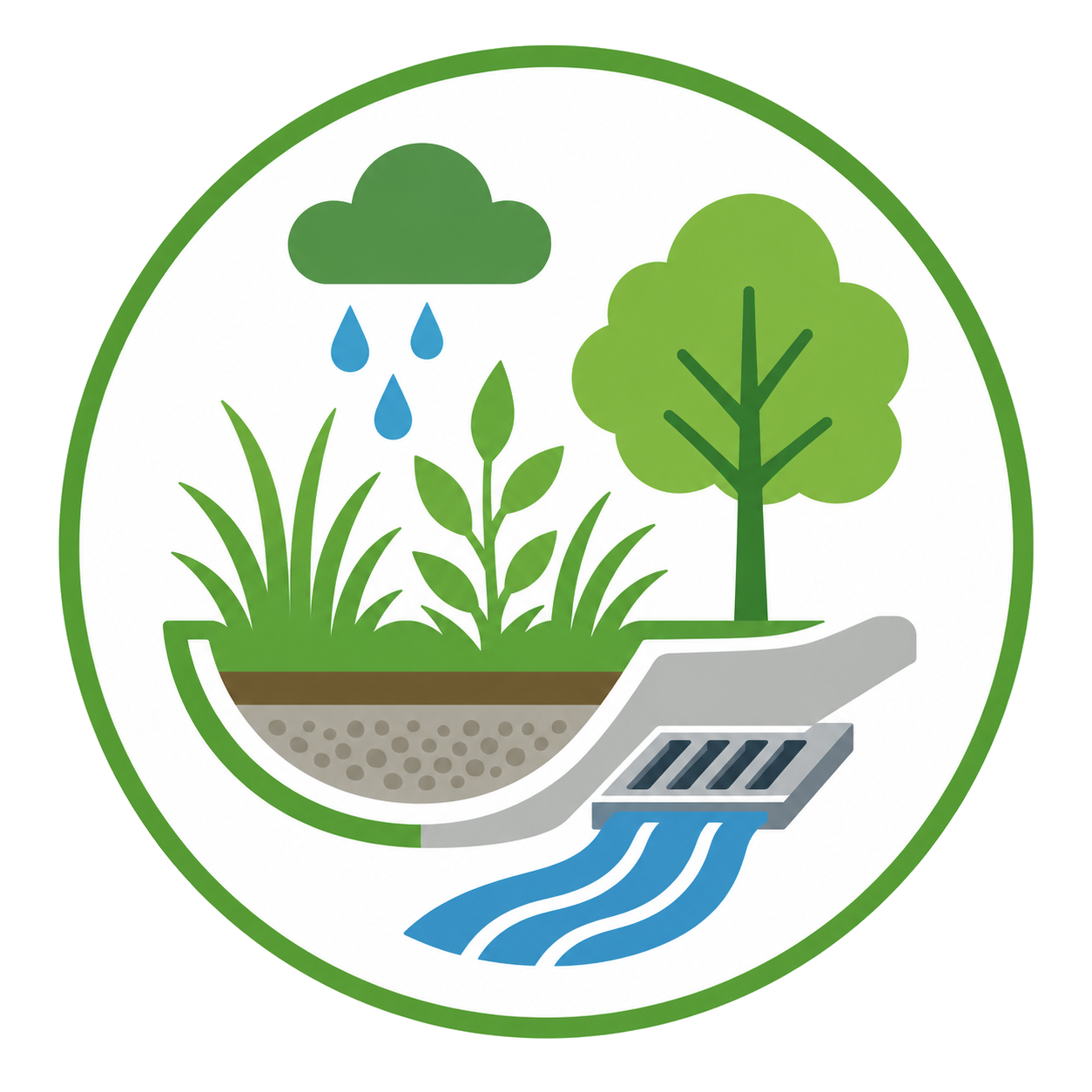
Green Stormwater Infrastructure (GSI) is a method of sustainable stormwater management that focuses on treating stormwater runoff prior to it entering waterways by mimicking and working with living, natural systems. Low Impact Development (LID) refers to design and development practices that reduce the stormwater runoff volume generated on site. Together they improve stormwater quality and reduce flooding impacts related to post-construction runoff, helping to protect the Santa Fe River and our community. Some benefits of GSI/LID include:
- Mitigating stormwater quality impacts
- Encouraging water conservation
- Reducing urban heat island and climate change impacts
- Increasing tree canopy and improved air quality
- Creating wildlife habitat
- Providing traffic calming
- Improving physical and mental health outcomes
- Addressing environmental justice
- Increasing aesthetics
GSI is a nature-based approach to managing urban rainwater by using soil, plants, and stone to mimic natural water systems. The use of GSI allows for the capture, filter, and infiltration of runoff where it falls, rather than conveying untreated water into storm sewers, rivers, and arroyos.
There are a variety of GSI features that can be incorporated across both urban and rural developments to support water capture and infiltration, soil health, and biodiversity. See the resource below for additional information.
Additional information on Green Stormwater Infrastructure can be found on our Conserve Water webpage.
Water Harvesting Requirements
(SLDC § 7.13: Water Supply, Wastewater and Water Conservation)
Rainwater catchment systems are required for all new residential and all new or remodeled nonresidential development. Requirements do not apply to developments utilizing grey water recycling for outdoor landscaping
Residential
- Catchment system must capture 85% of the roofed area Roof surface (of heated floor area) is ≥2,500ft: must install a buried or partially buried and insulated cistern.
- Roof surface (of heated floor area) is ≤2,500ft: must install rain barrels, cisterns, or other water catchment system including passive water harvesting and infiltration techniques, berms, swales, and tree wells to capture rain water.
- Cisterns must be able to hold a minimum of 1.15 gallons per square foot of roof area.
Cistern size may be reduced based on proposed outdoor landscaping
Nonresidential
- Catchments system must capture all rainwater from the roofed area
- Cisterns must be buried, partially buried, or insulated and pumped to a drip irrigation system for landscaping; or utilized for domestic use at point of use.
- Cisterns must hold a minimum of 1.5 gallons per square foot of roofed area or the equivalent of one month supply of captured water
- If the development has no landscaping, the use of rain barrels or other water catchment system including passive water harvesting and infiltration techniques, berms, swales, and tree wells may be allowed.
Contact the Land Use Administrator for additional information
What Can I Do?
Take Action to Prevent Stormwater Pollution
Responsibly Dispose of Household Waste
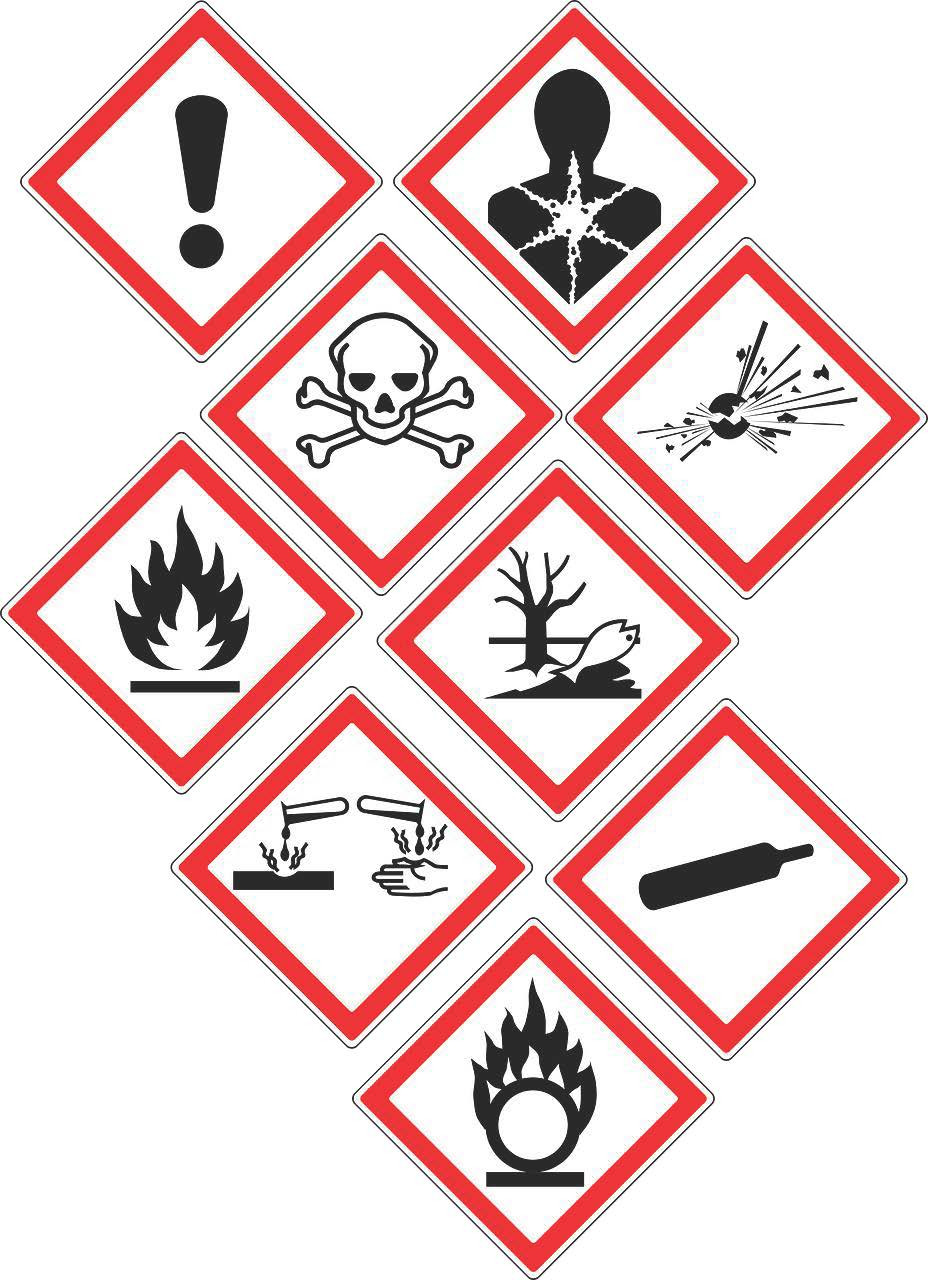
Hazardous Household Waste
For residences of Santa Fe County, hazardous household wastes can be disposed of at the Hazardous Waste Collection Center at the Buckman Road Recycling and Transfer Station. The Center is open Fridays and Saturdays, every week from 8:00 AM - 4:45 PM.
Household hazardous waste is product that has a label or ingredients that contains any of the following warnings:
- Flammable
- Ignitable
- Corrosive
- Reactive
- Toxic
This includes items like drain cleaners, paints, motor oil, and pesticides.
Santa Fe County Facilities
Santa Fe County operates seven conveniance centers across the County. Residential trash, household recycling, and green waste may be brought to any convenience center. Other services vary by center. For additional information please visit the Convenience Centers/ Transfer Stations webpage.
Join the Santa Fe County 4NATURE Program!

This program is a County-sponsored initiative to develop and implement nature-based solutions backed by science, that help address the negative effects and impacts of climate change. Healthy soil support water infiltration and installing rain gardens mitigates stormwater pollution!
Santa Fe County is developing a more climate resilient community by supporting nature-based climate solutions that will ensure the health of our people, places, and water for generations to come. Through collaborative efforts between the County, local organizations, and communities, we can address the threats posed from climate change to more resiliently support and protect our local biodiversity, and habitat health.
Check out the Program Landing Page
Join the Santa Fe County Adopt-a-Road Program!

Join the Adopt-a-Road program to help keep Santa Fe beautiful! Removing trash and litter along roadways keeps it out of our waterways and supports stormwater pollution prevention.
The Adopt-a-Road program helps to save tax payer dollars, build community pride, and protect the environment. Participants select a County road to adopt and pick up litter along that road at least twice per year. Volunteers include young adult organizations, businesses, faith-based organizations, families, individuals, and more!
Check out the Program Landing Page
Report Illicit Discharges
An illicit discharge is a release of materials and fluids that contain pollutants like oil & grease, solvents, metals, toxic chemicals, and bacteria like E. coli. Illicit discharges make it to the storm sewer system via overland flow and direct dumping into storm drains. In the Santa Fe River Watershed, the storm sewer systems collect stormwater runoff, and anything else that flows into them, and carries it, untreated, to the Santa Fe River and eventually the Rio Grande.
Putting oil, antifreeze, detergents, or anything else that is not stormwater into the storm drain system is the same as dumping it directly into the river!
Please use the link at the top of the page to report any illicit discharges.
Report Blocked/Clogged Stormwater Culverts
Stormwater culverts along County maintained roads and bridges are managed by the Road Maintenance Section of the Public Works Department.
Please submit your concern via the Report a Road Concern portal.
Report Illegal Dumping
Illegal dumping severely degrades stormwater quality by introducing untreated, hazardous pollutants directly into the drainage system. Because stormwater systems generally bypass water treatment plants, any material dumped into a storm drain, street, or roadside ditch flows directly into local streams, rivers, and lakes.
Santa Fe County Solid Water Ordinance No. 2014-10 prohibits the dumping, accumulating, or scattering of solid waste. Any person convicted of illegal dumping will be guilty of a crime. First time offenders maybe penalized with a fine up to $500 and/or 60 days in jail. Subsequent violations carry a penalty of up to $1,000 and/or 90 days in jail. The improper or illegal disposal of hazardous waste carries a penalty of up to $5,000 and/or 90 days in jail.
To report illegal dumping or littering, please call the Solid Waste Compliance Officer at (505) 992-3032
Volunteer with the Santa Fe Watershed Association
The Santa Fe Watershed Assocation organizes a vareity of efforts to support water quality:
- Education and advocacy
- Volunteer for events like the Watershed Festival
- Write letters to influential people and offices
- Trash pickup
- Vegetation management
- Tabling at community events
- Office and general support: Anything from filing and cutting news clippings to calling people to attend an event
Contact info@santafewatershed.org for volunteer information.
Additional Stormwater Resources
Educational Materials
- Stormwater Brochure (English/Spanish)
- Water Resources Brochure (English/Spanish)
- Treading Lightly: A Guide to Mindful Recreation in Nature
- Protect our Outdoor Places: One Pile at a Time (Pet Waste)
Other Resources
Environmental Protection Agency (EPA)

The EPA is the regulatory authority for New Mexico and provides a plethora of tools and resources to develop stormwater management practices accross public/private activities.
- Stormwater Smart Outreach Tools
- Stormwater Planning
- Stormwater Discharges from Municipal Sources
- Facility Stormwater Management
- NPDES Stormwater Program
For additional information on how EPA regualtory requirements dictate stormwater management in Santa Fe County, please see the associateed link at the top of the page.
USEPA Southwest Stormwater Center (SWC)
The Southwest Stormwater Center of Excellence (SWC) partners with regional stakeholders and academic institutions to develop practical, science-based solutions tailored to these conditions. This includes technical assistance on regionally appropriate BMP design and monitoring, stormwater capture and reuse, planning frameworks for water quality improvement, and practitioner-ready funding resources to support municipal, Tribal, and rural communities.
Visit the EPA's Stormwater Centers of Excellence Grant Landing Page for additional information
Arid LID Coalition

The Arid LID Coalition is a professional network of partner organizations and individual collaborators who share a common goal to advance the implementation of arid-adapted green stormwater infrastructure (GSI) and low impact development (LID) in New Mexico and across the southwest. The coalition includes over 230 members, 29 collaborators, and 14 partners.
Santa Fe County is a partnering organization and encourages staff to actively participate in the coalition, lead or support collaborative GSI/LID projects, and present projects at colaition meetings.
County Representative
Michael J. W. Carr, Environmental Compliance Officer
Public Works Department, Administrative Services Division
email: mcarr@santafecountynm.gov
City of Santa Fe Stormwater Resources
Stormwater Santa Fe
Landing page for City of Santa Fe stormwater information. Summarizes stormwater pollution concerns, challenges, liability, and recommended actions.
River and Watershed Section
The City of Santa Fe’s River and Watershed Section manages the urban reaches of the Santa Fe River and contributing arroyos within the Santa Fe River Watershed. This work includes large infrastructure projects, habitat restoration, water quality improvements, public involvement and education, and managing our federal stormwater discharge permit (known as the MS4 program under the NPDES program).
StoryMap: Stormwater in the Santa Fe River Watershed
Learn how stormwater is managed within the watershed and how it interacts with acequias, pollution, flooding, and development.
Santa Fe Watershed Assocation Resource Library
The Santa Fe Watershed Association (SFWA) is a nonprofit organization with a mission to build a thriving, resilient Santa Fe River Watershed through collaboration, stewardship, and education that inspires us all to care for our land, water, and each other.
Resource Library
The SFWA hosts an assemblage of reports, studies, photos, and educational materials related to the Santa Fe watershed and supporting natural resource stewardship.
StoryMap: A timeline of community water work and advocacy
Learn about the history of the SFWA and their actions in stewarding community water resources.
2025 Santa Fe County Water: Today & Tomorow Event Presentations
Santa Fe County held a community forum focused on the past, present, and future of the County's water Resources. The event took place over two(2) days to bring together County staff, community partners, and the public for an open discussion on water use, management, and sustainability. Presentations covered:
- Santa Fe County's Water Resources: Where our water comes from and how it's used.
- Water Resource Administration: Domestic wells, groundwater, and stormwater management.
- Collaboration & Partnerships: Working with State, Tribal, and community partners.
- Land Use and Growth: How planning and development affect water use.
- Water Resilience & Sustainability: County programs and the 2026 Next Generation Water Summit.
- Closing Discussion: Building Santa Fe County's water future together.
Presentations are viewable on the Santa Fe County Water Landing page
New Mexico Department of Transportation (NMDOT) - Roadside and Community Design Section
The New Mexico Environment Department’s Drinking Water Bureau (NMED DWB) oversees public drinking water systems, those serving at least 15 connections or 25 people, private wells fall outside of this regulatory authority. If you own a private well, it’s up to you to test, maintain, and ensure the quality of your water. We’re here to help guide you through that process.
Landing Page
The NMDOT Roadside and Community Design Section webpage.
Information and resources include: